8 NIGHT SAMPLE ITINERARY

Paro Thimphu Dochu La Punakha Gangtey Wangdi Paro
FESTIVAL DATES

2025
april 8 - 12
2026
mar 29 - Apr 2

Map

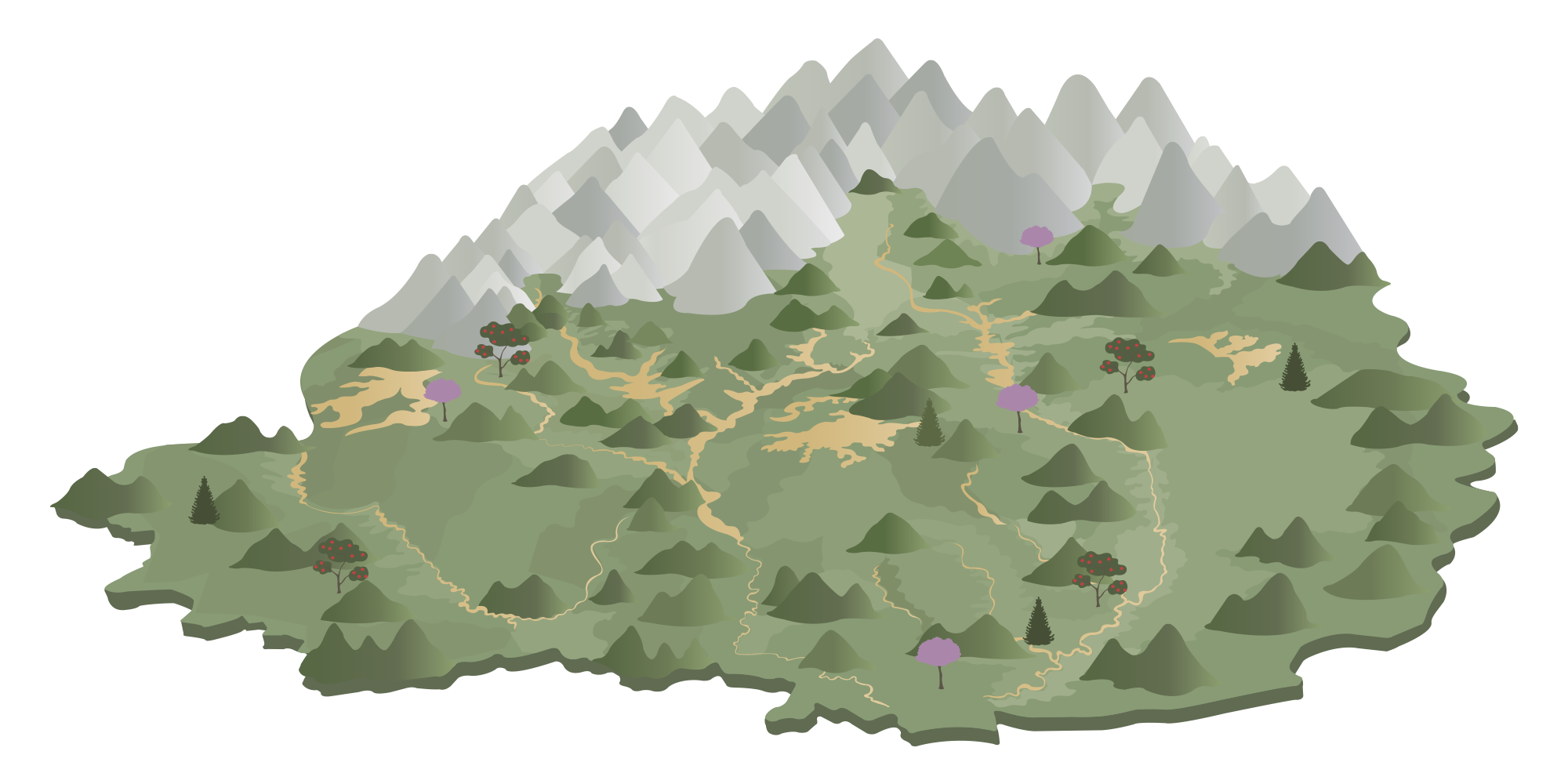
PARO THIMPHU PUNAKHA WANGDI GANGTEY
Logo
Our journey begins

Paro

Thimphu

TAMCHHOG
LHAKHANG

paro-pin paro-pin
rrival in Paro.
Paro is situated in a beautiful valley and is a fitting introduction to this charming kingdom. Your tour guide will meet you and take you on a drive along the Paro and Thimphu river valleys to Thimphu, Bhutan’s capital. You can stop on the way to take in the magnificent  Tamchhog Lhakhang, the hereditary place of worship for Bhutan’s iron bridge builder. Take an afternoon walk around town and soak in the atmosphere of this magical capital with its busy shops and bazaars and photogenic citizens in national dress.  

Tamchhog Lhakhang, Photo Credit - © Amp Sripimanwat, DoT Bhutan
Overnight in Thimphu
Logo
Thimphu
BUDDHA
DORDENMA
NATIONAL
MEMORIAL
CHORTEN
CHANGANKHA
TEMPLE
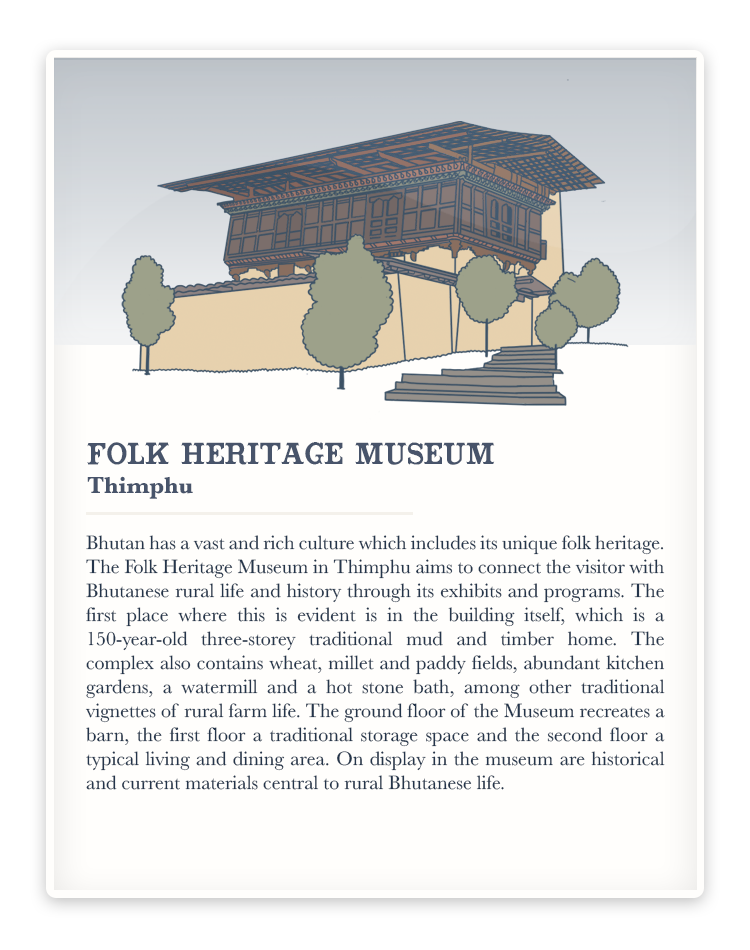
FOLK
HERITAGE
MUSEUM
ROYAL
TEXTILE
MUSEUM
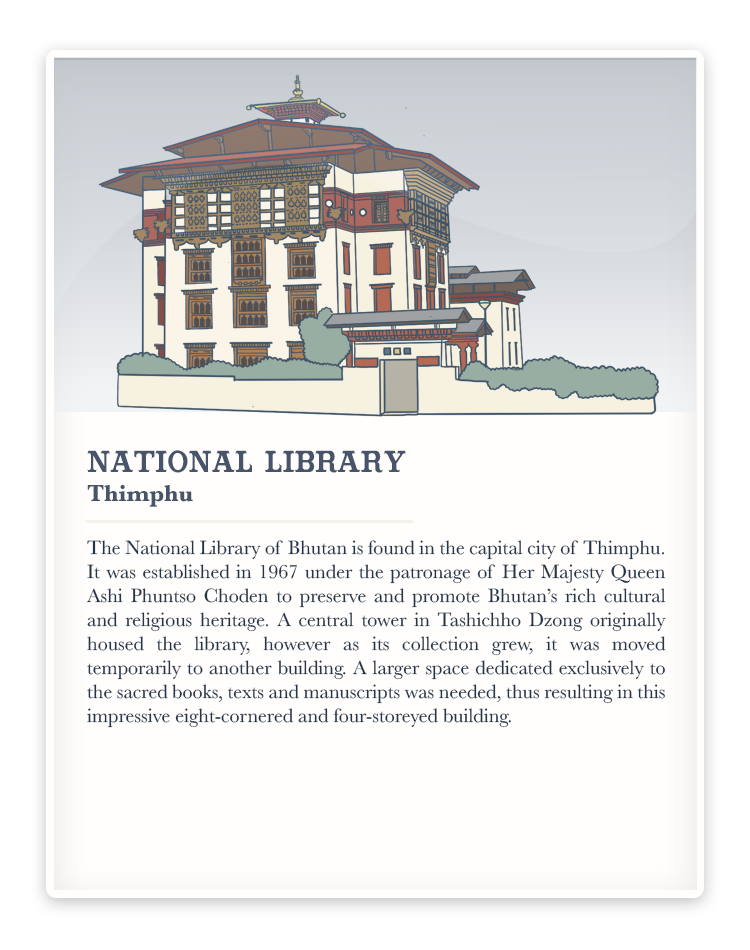
NATIONAL
LIBRARY
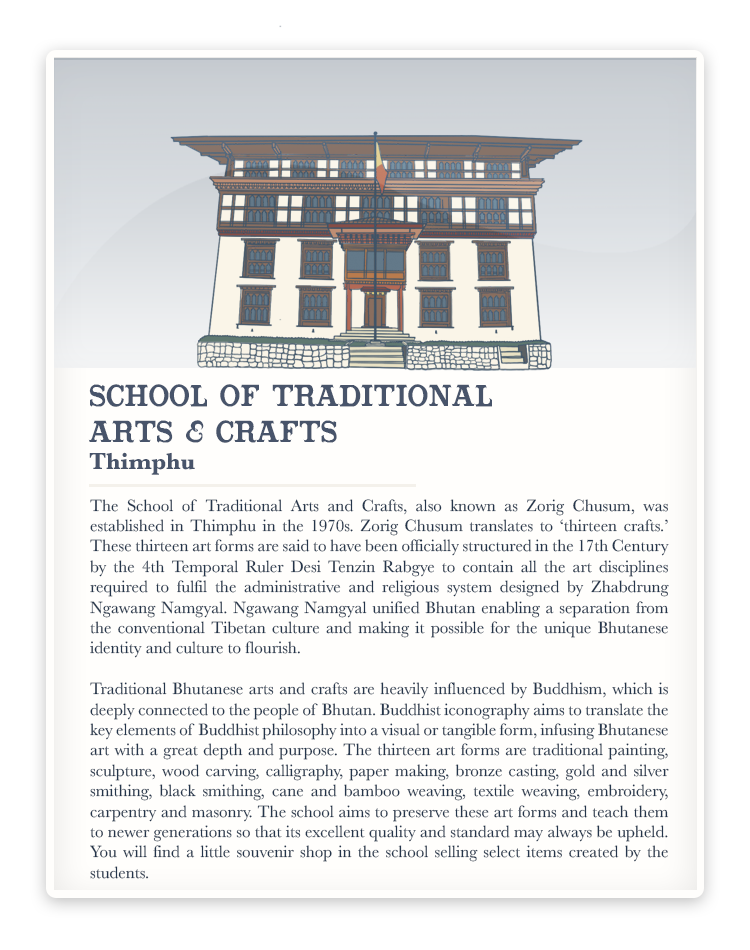
SCHOOL OF
TRADITIONAL
ARTS & CRAFTS
TAKIN
RESERVE
ightseeing in Thimphu.
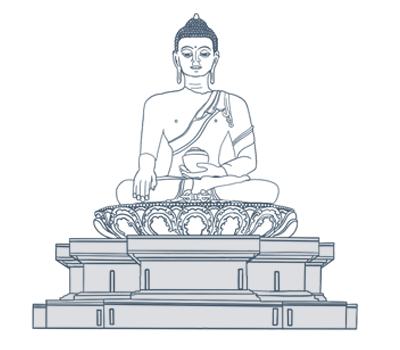
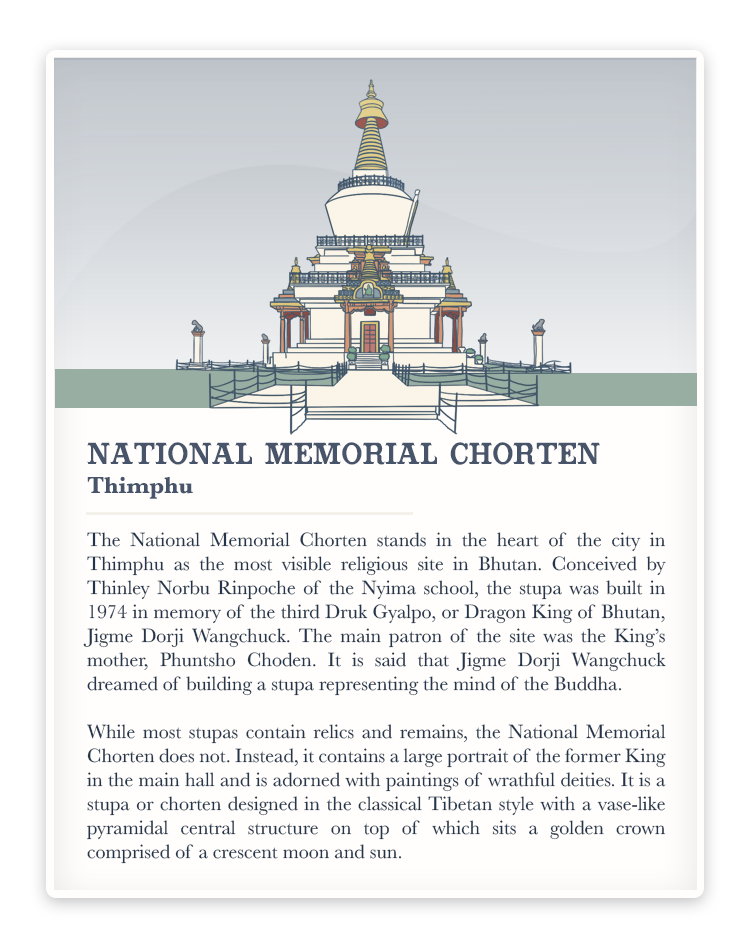
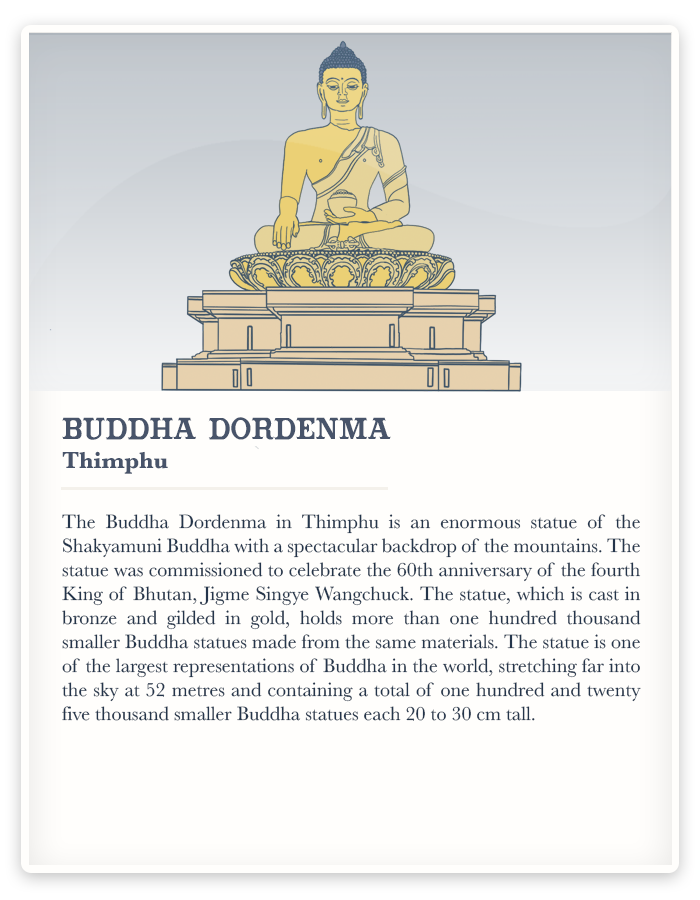
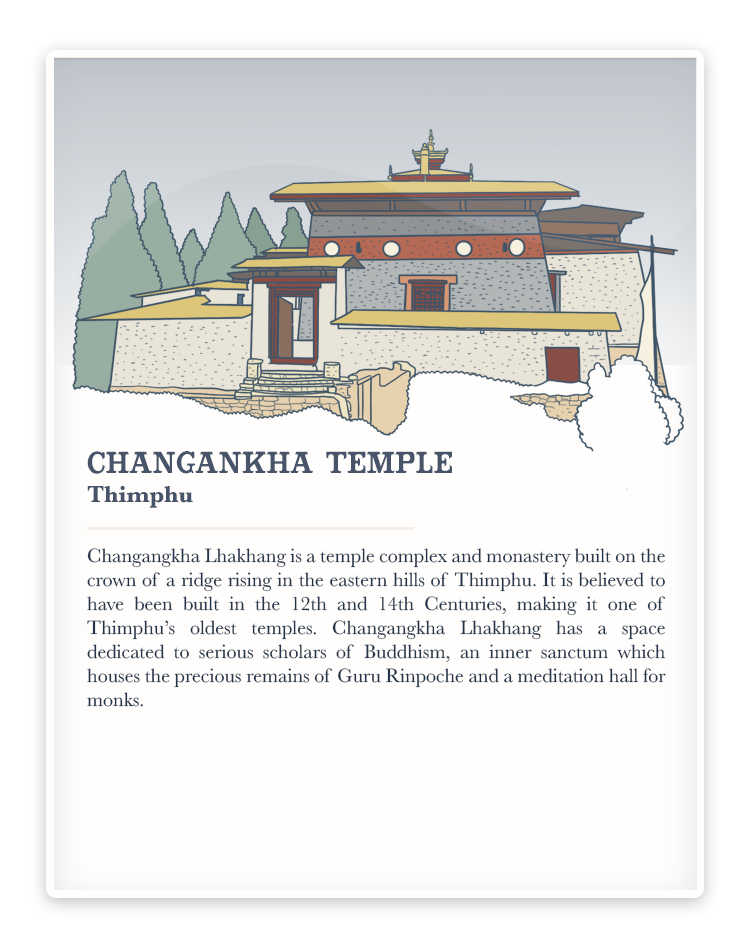
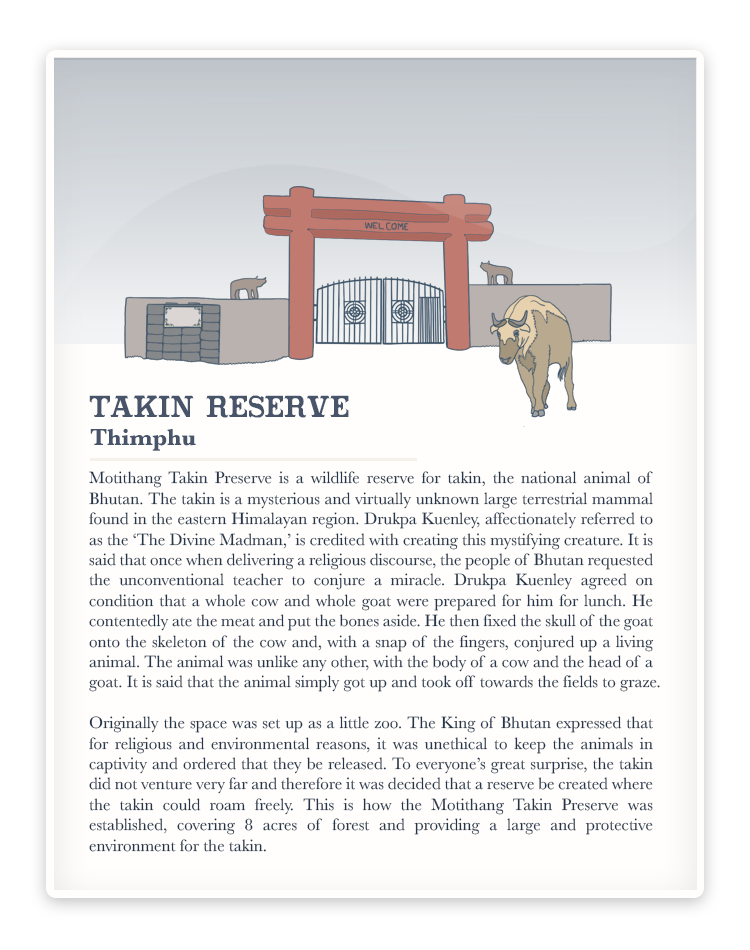
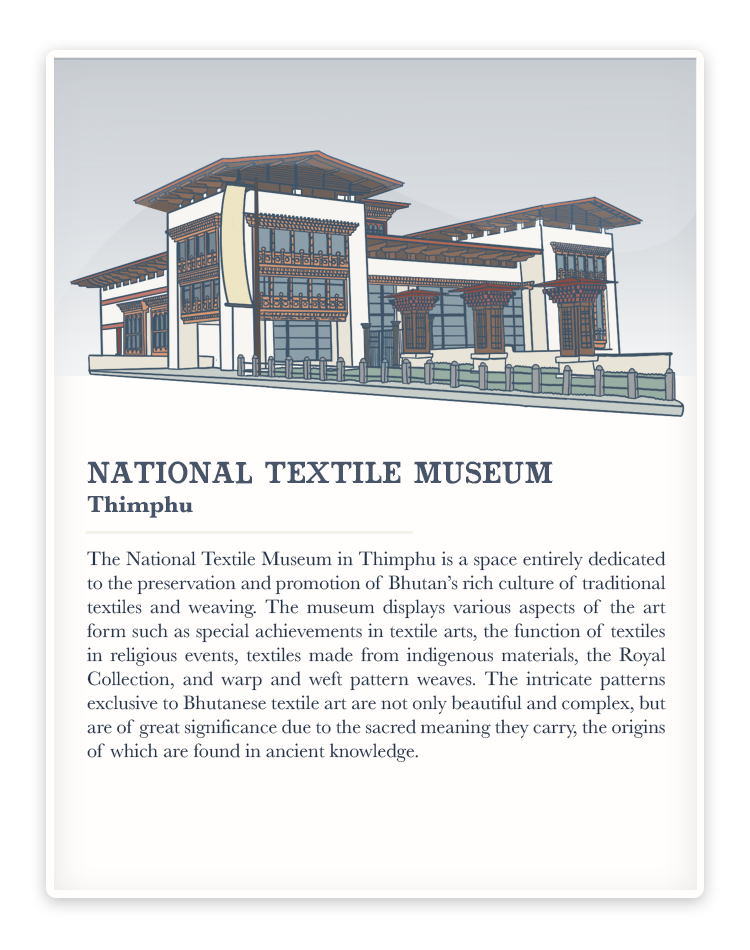
We can visit the weekly market, The National Memorial Chorten, The Buddha Dordenma, Changangkha Temple, Takin Reserve, The School of Traditional Arts and Crafts, The Folk Heritage Museum, and The National Library. Browse the striking collection of intricate textiles at The National Textile Museum and visit the craft bazaar. Discuss your preference for the day with the guide.

Tamchhog Lhakhang

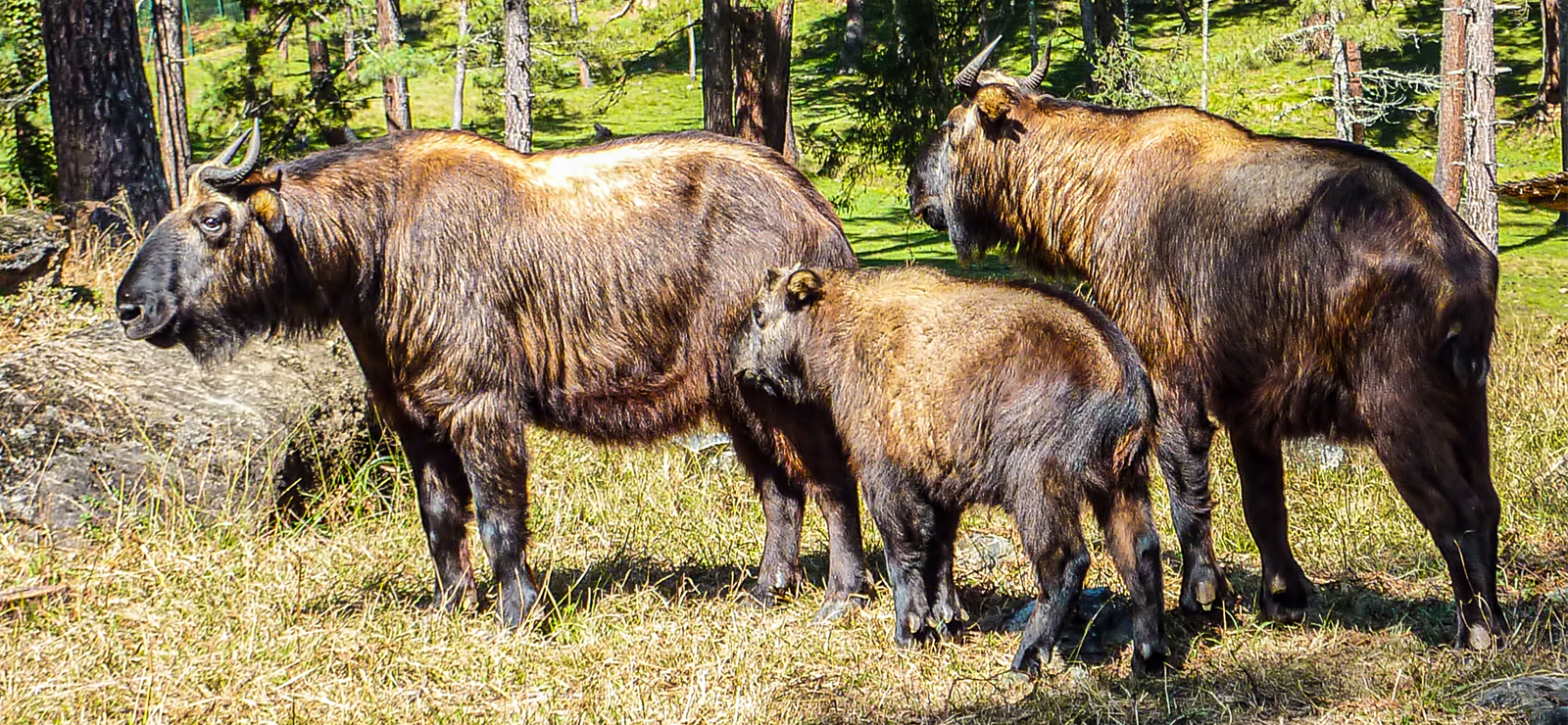
Takin Reserve, Photo Credit - © DoT Bhutan
Overnight in Thimphu
Logo
Thimphu to Punakha
Punakha Thimphu

PUNAKHA
DZONG

CHIMI
LHAKHANG
DOCHU LA
PASS

himphu to Punakha.

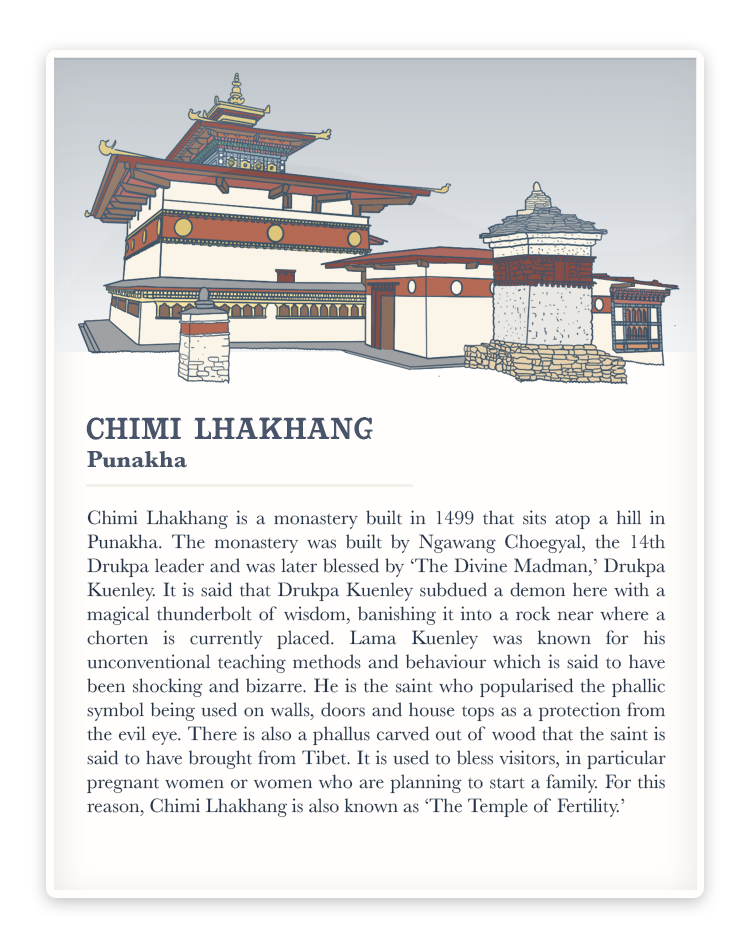
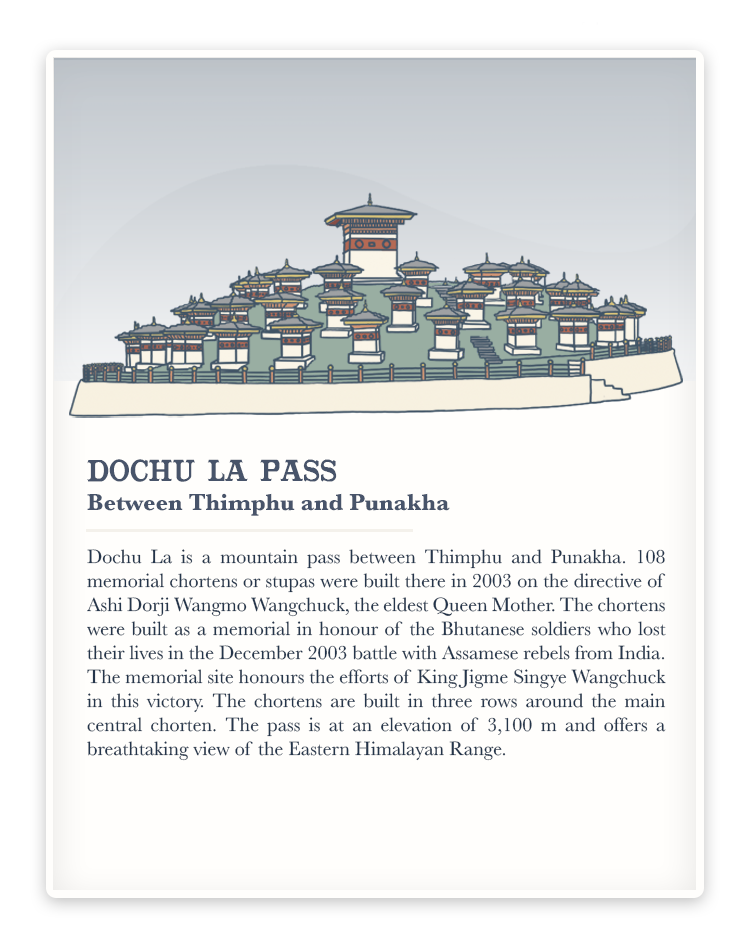
In the morning drive to the old capital, Punakha, via Dochu La Pass at 3050 metres, where we will stop for a hot drink and enjoy spectacular panoramic views of the Eastern Himalaya range. In the afternoon visit Chimi Lhakhang (Temple of Fertility), built in the 15th century by the ‘Divine Mad Man’ (Lama Drukpa Kuenley) and Punakha Dzong


Punakha Dzong, Photo Credit - © Marcus Westberg, DoT Bhutan
Overnight in Punakha
Logo
Gangtey

GANGTEY GOMPA

rive to Gangtey (at 3500 metres).

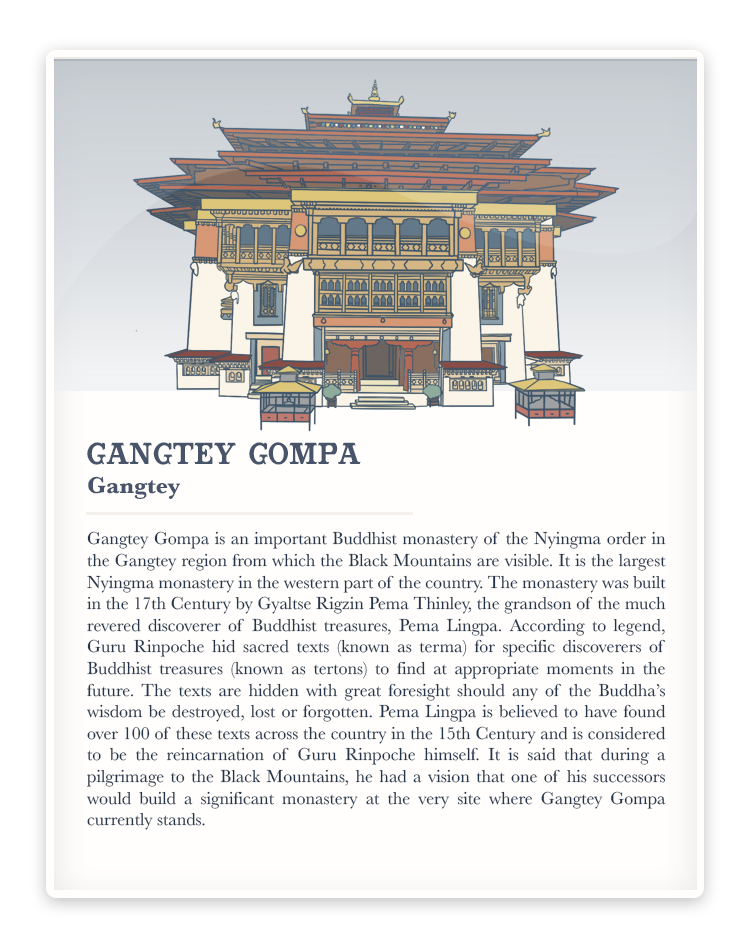
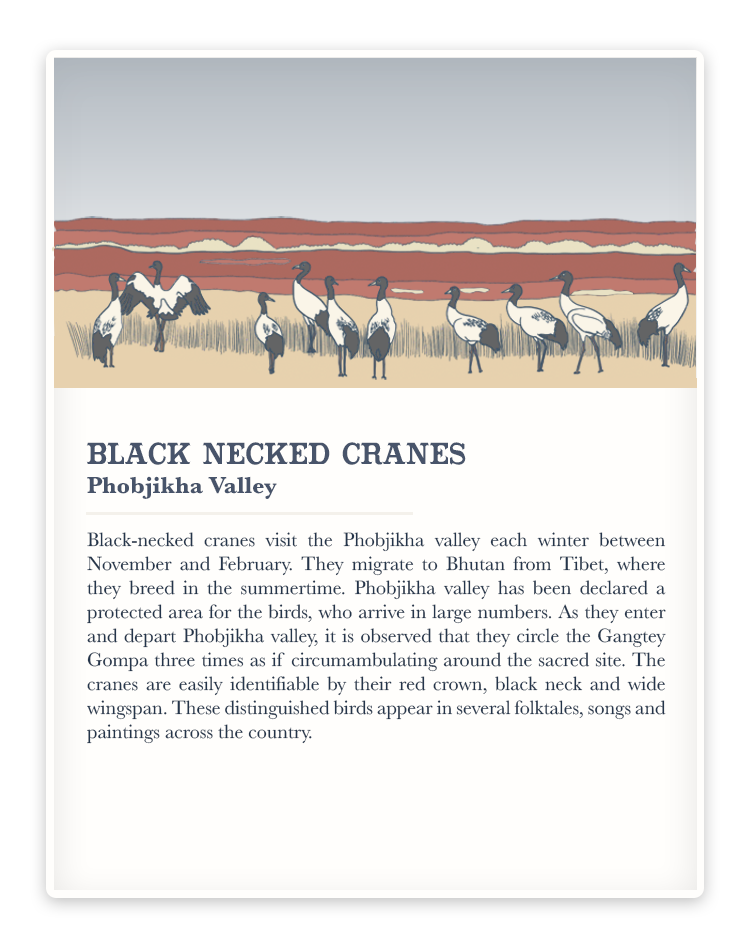
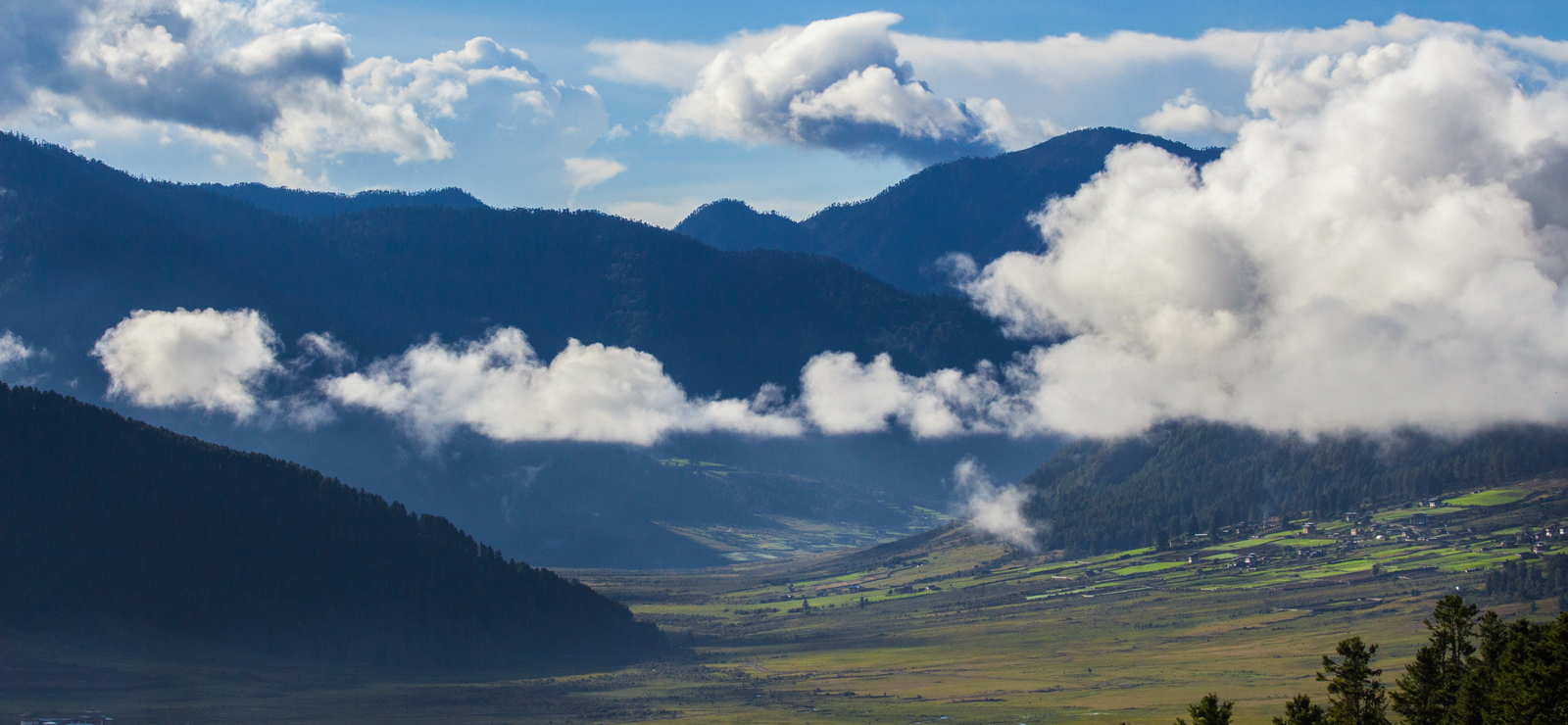
Enjoy the views of the immense and remote Phobjikha valley and the black mountain ranges. Visit Gangtey Gompa  (one of Bhutan’s oldest monasteries). Overnight in Gangtey village where the villagers continue to live a traditional Bhutanese rural lifestyle. This is the site where  black-necked cranes  visit in their hundreds in November each year after spending the summer in Tibet. As a result no electricity is run to the valley to avoid disturbing their habitat.


Gangtey Valley, Photo Credit - © CD
Overnight in Punakha
Logo
Paro via Wangdi

Paro

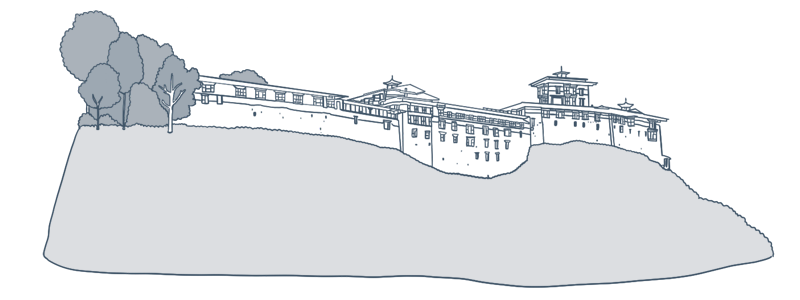
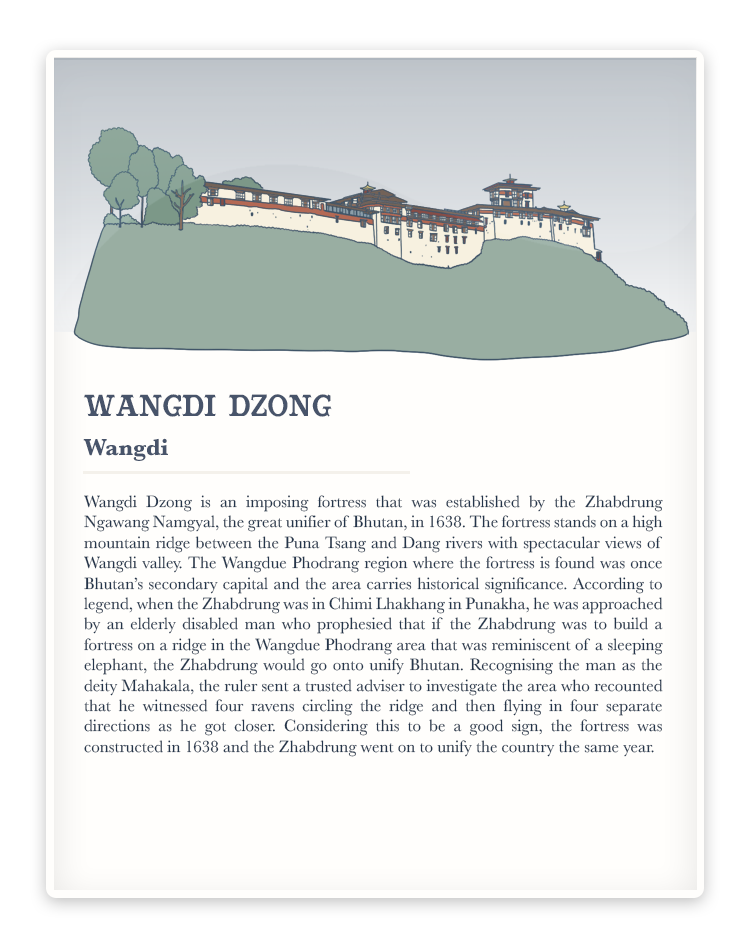
WANGDI DZONG

oday we return to Paro via Wangdi, originally considered Bhutan’s secondary capital and commanding an important central position.

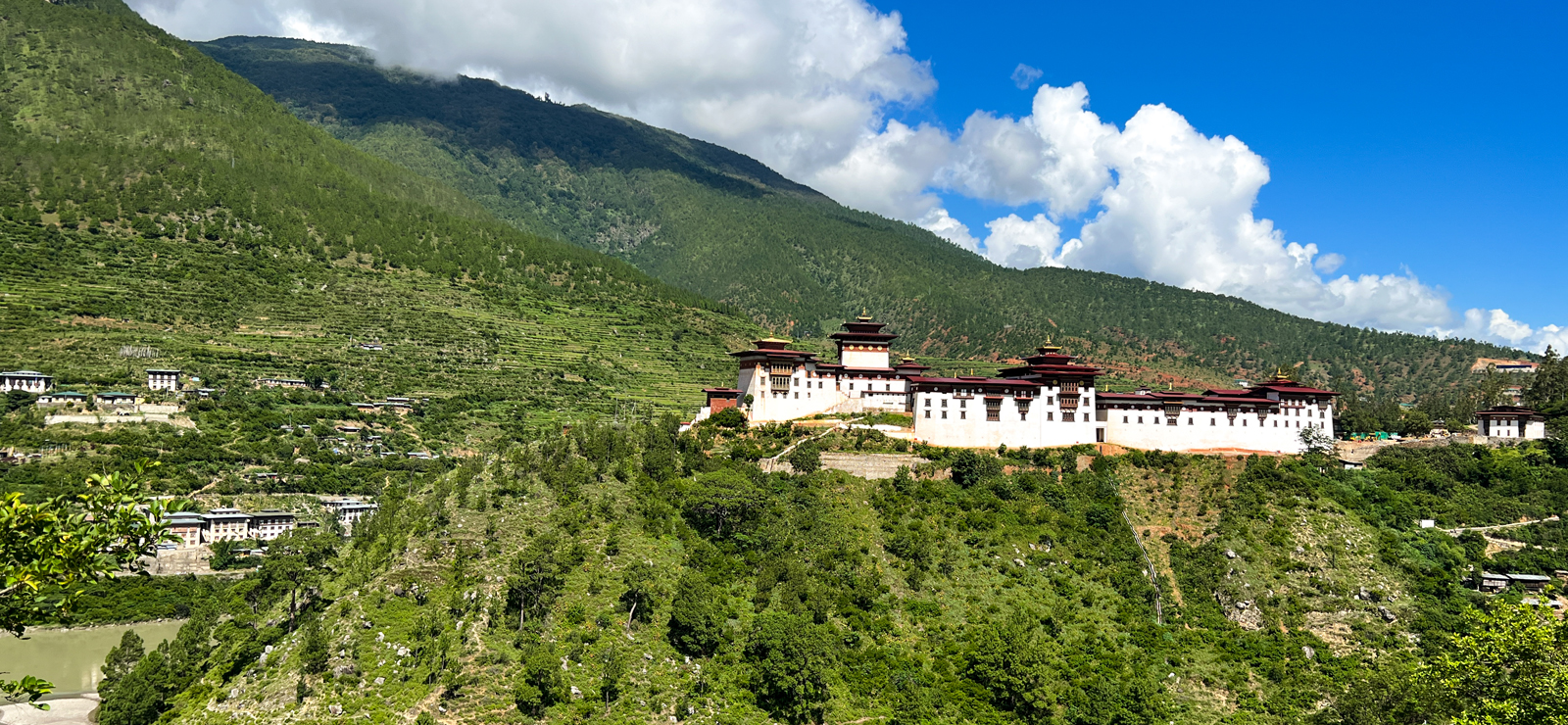
We will stop for lunch or a drink in Wangdi. Wangdi Dzong, built by the Shabdrung in 1638 on an auspicious site where four ravens were seen flying in four different directions, was badly damaged in a fire in June 2012 but has been painstakingly renovated over 12 years and is now open to visit. After lunch, continue on your way. You should see plenty of flowering rhododendrons, orchids and magnolia to enhance the drive.


Wangdi Dzong, Photo Credit - © CD
Overnight in Paro
Festival Day 1
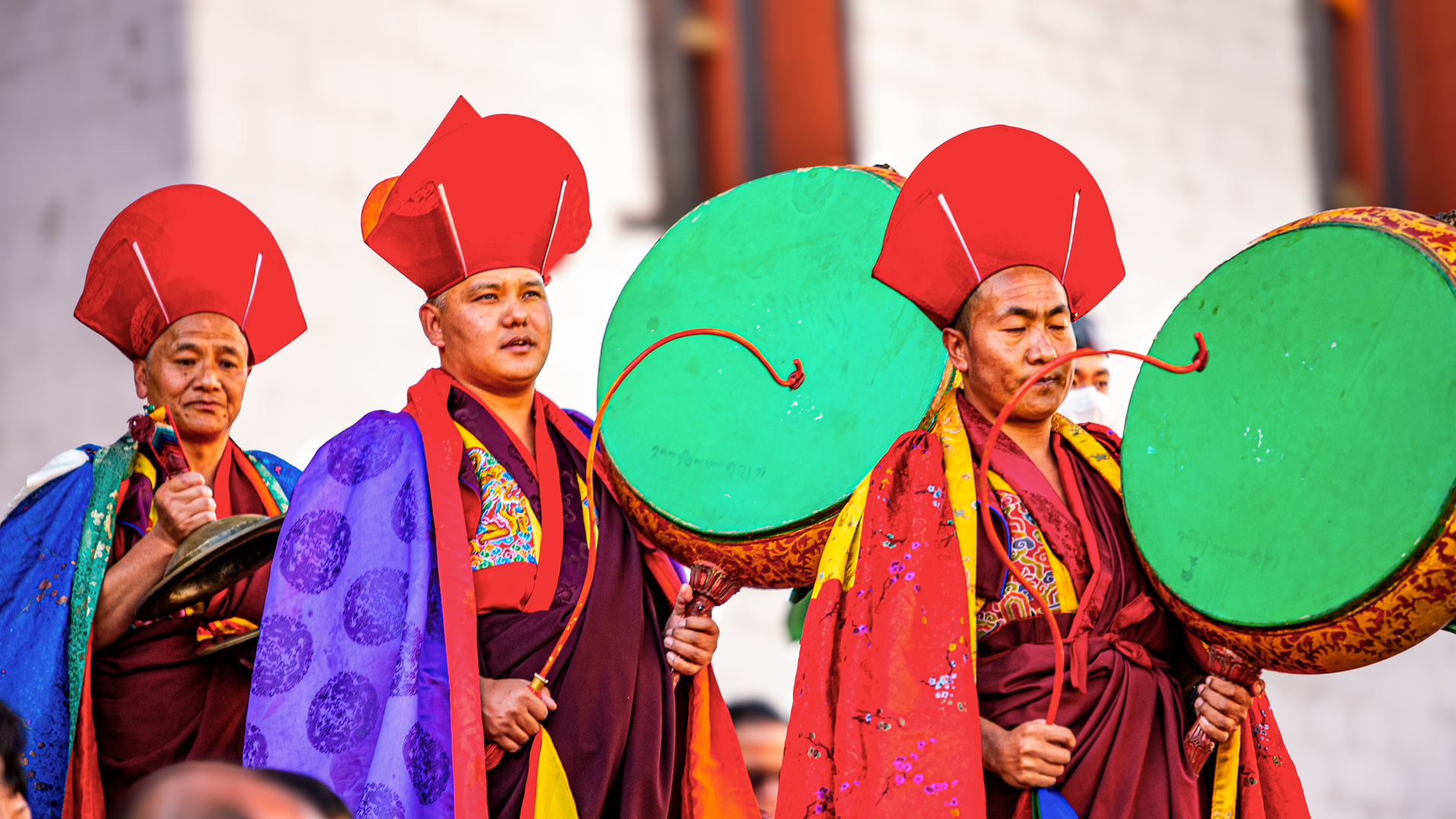
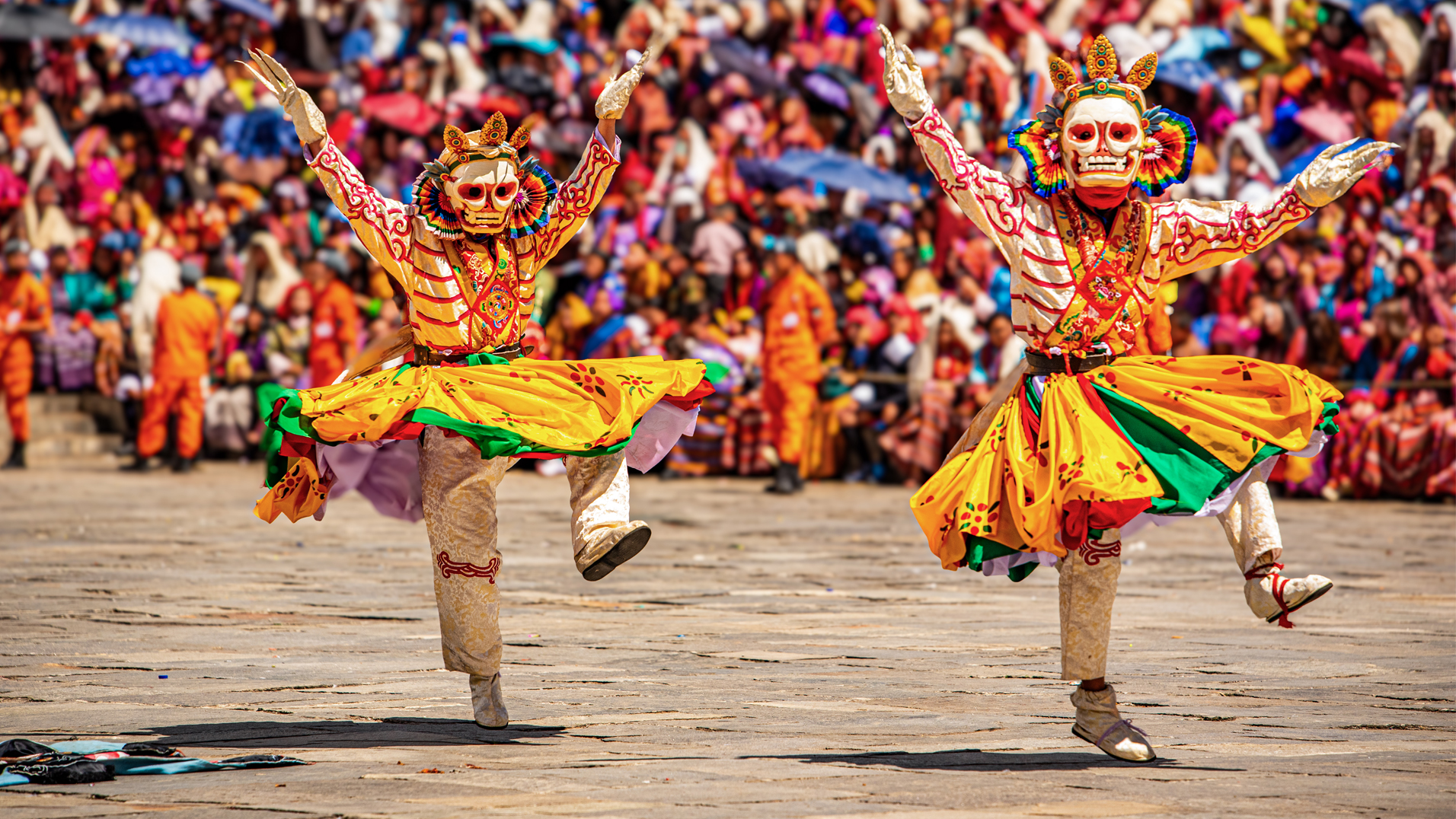
oday you will visit Paro Festival, which takes place in the outer courtyard of the impressive Paro Rinpung Dzong, one of the finest examples of Bhutanese architecture.

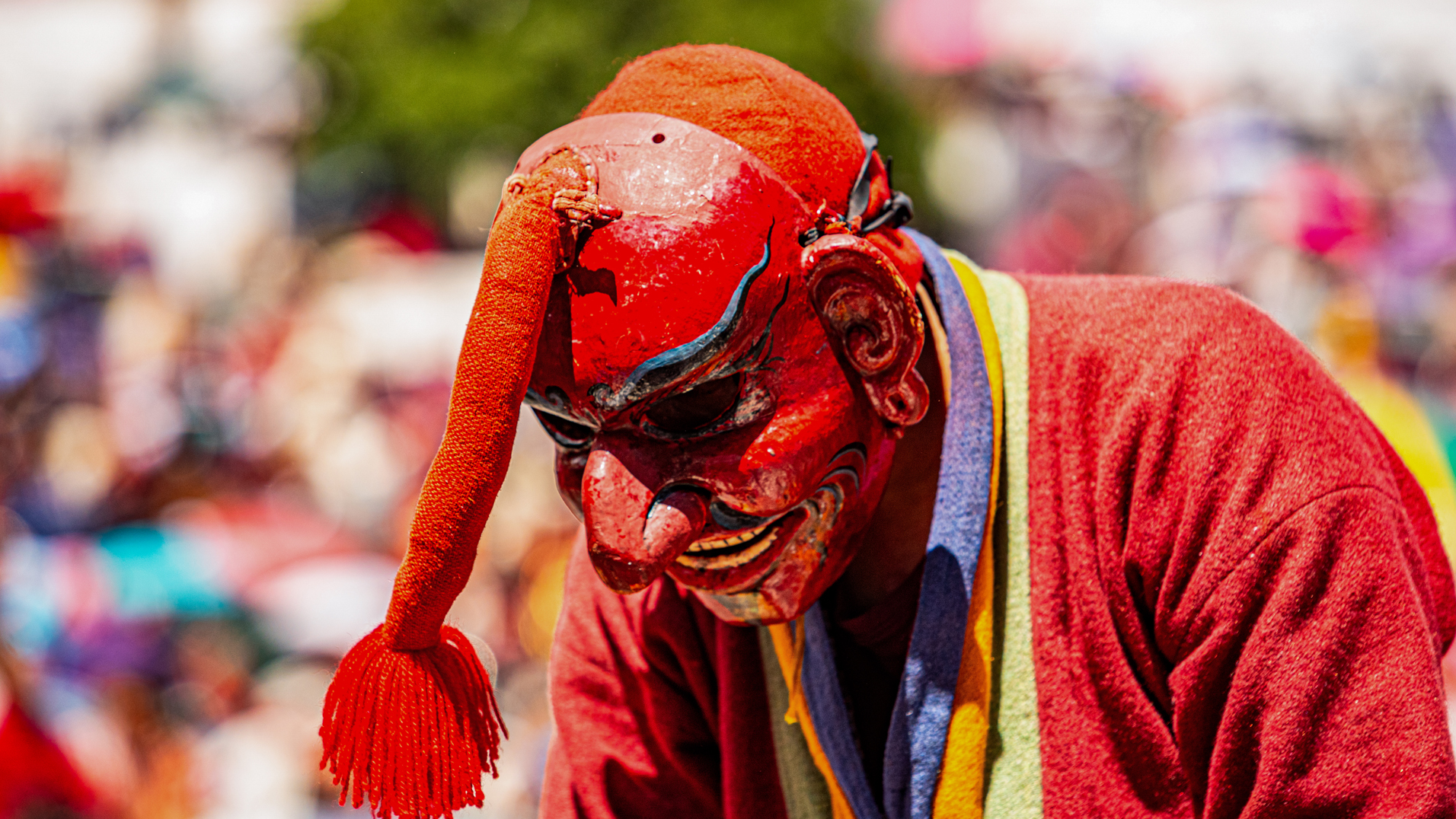
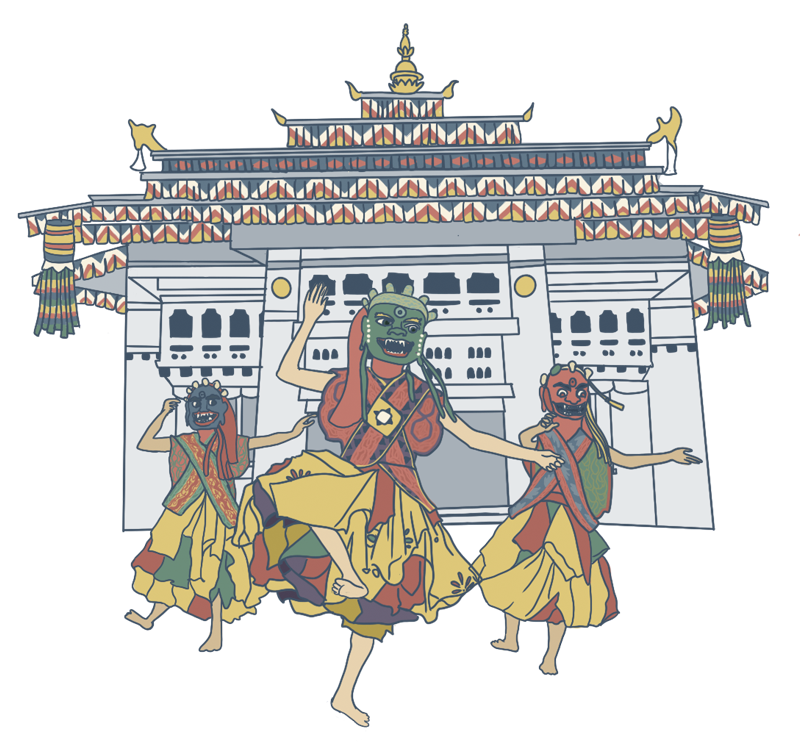
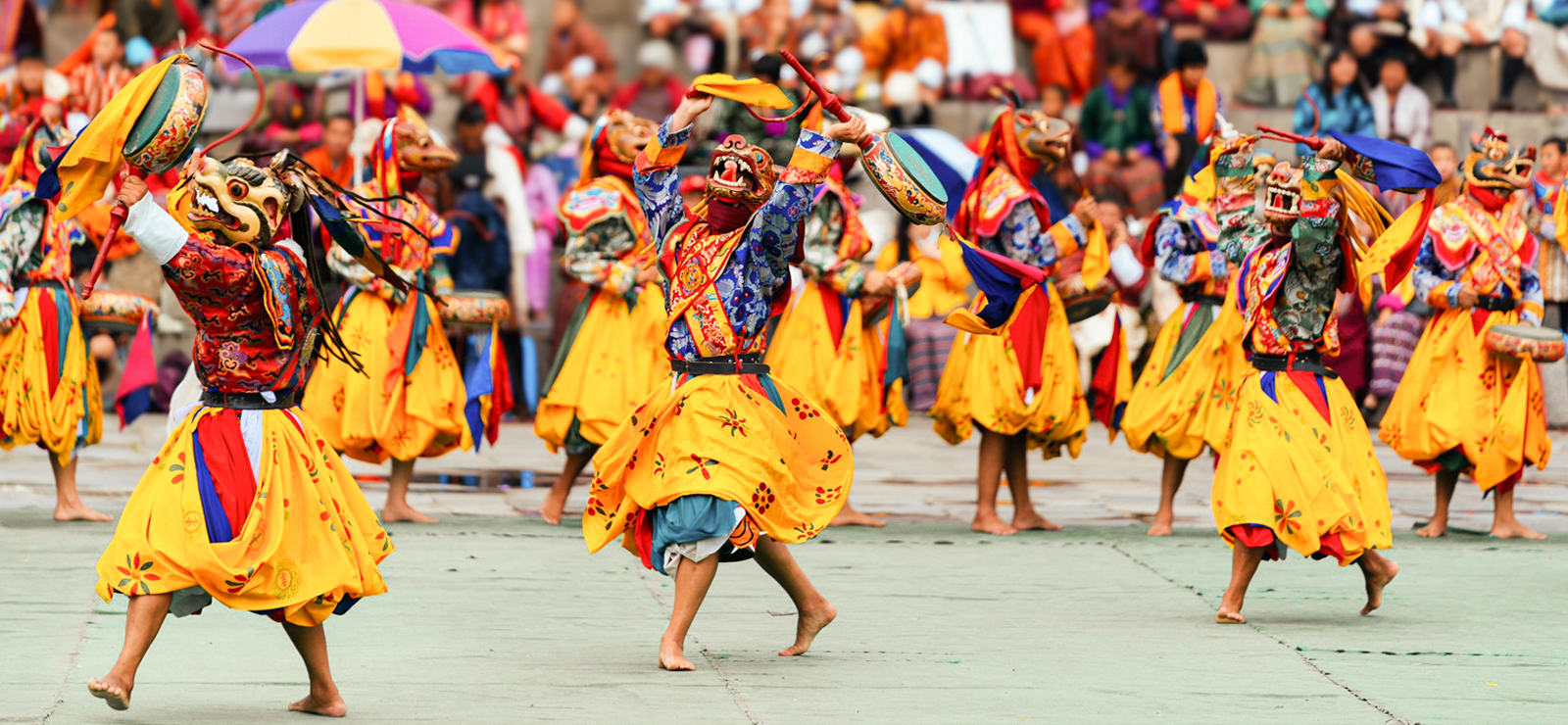
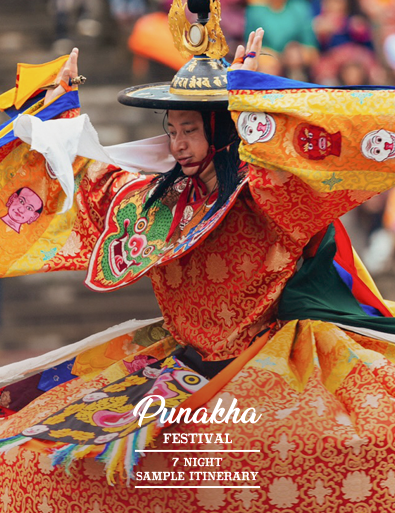
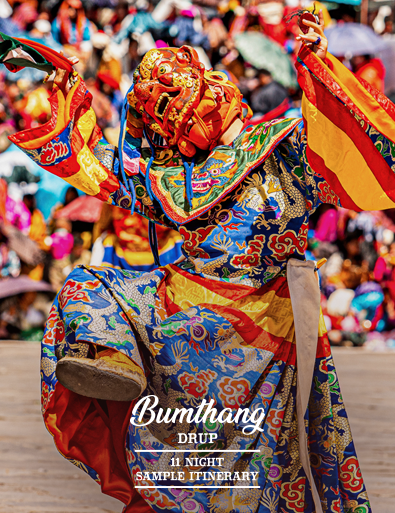
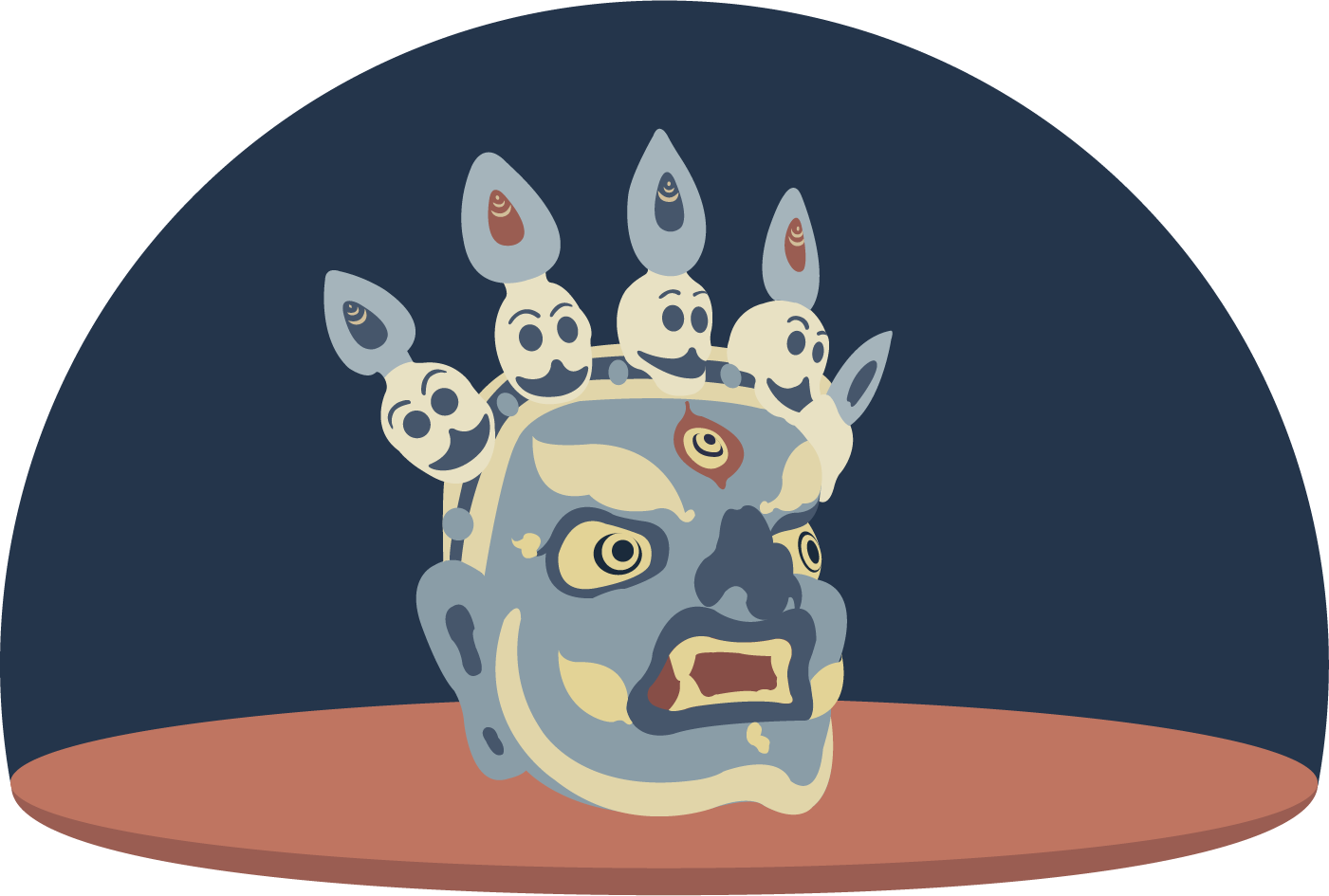
You will see locals dressed in their finest clothes who have walked from miles around to attend the festivities. They come to watch masked dances, to pray, and to feast. While the underlying purpose of the festival is spiritual, dances are more often like plays, telling stories where good triumphs over evil, or depicting significant historical events, especially surrounding the life of Bhutan’s patron saint, Padmasambhava (also known as Guru Rinpoche). There is inevitably a great deal of socialising as well. The occasion provides an opportunity for people to relax and forget the daily routine, and to dress in their finest clothes and jewellery, but it is also an occasion for prayer and blessings.


Masked Dance, Photo Credit - © DoT Bhutan
Overnight in Paro
Logo
Thongdrel ceremony and Paro sightseeing

RINPUNG
DZONG

NATIONAL
MUSEUM

​DUMTSE
LHAKHANG
KYICHU
LHAKHANG
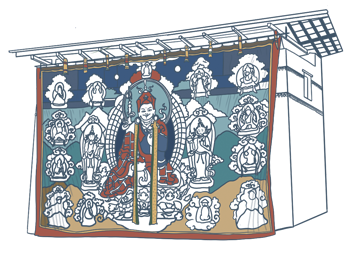
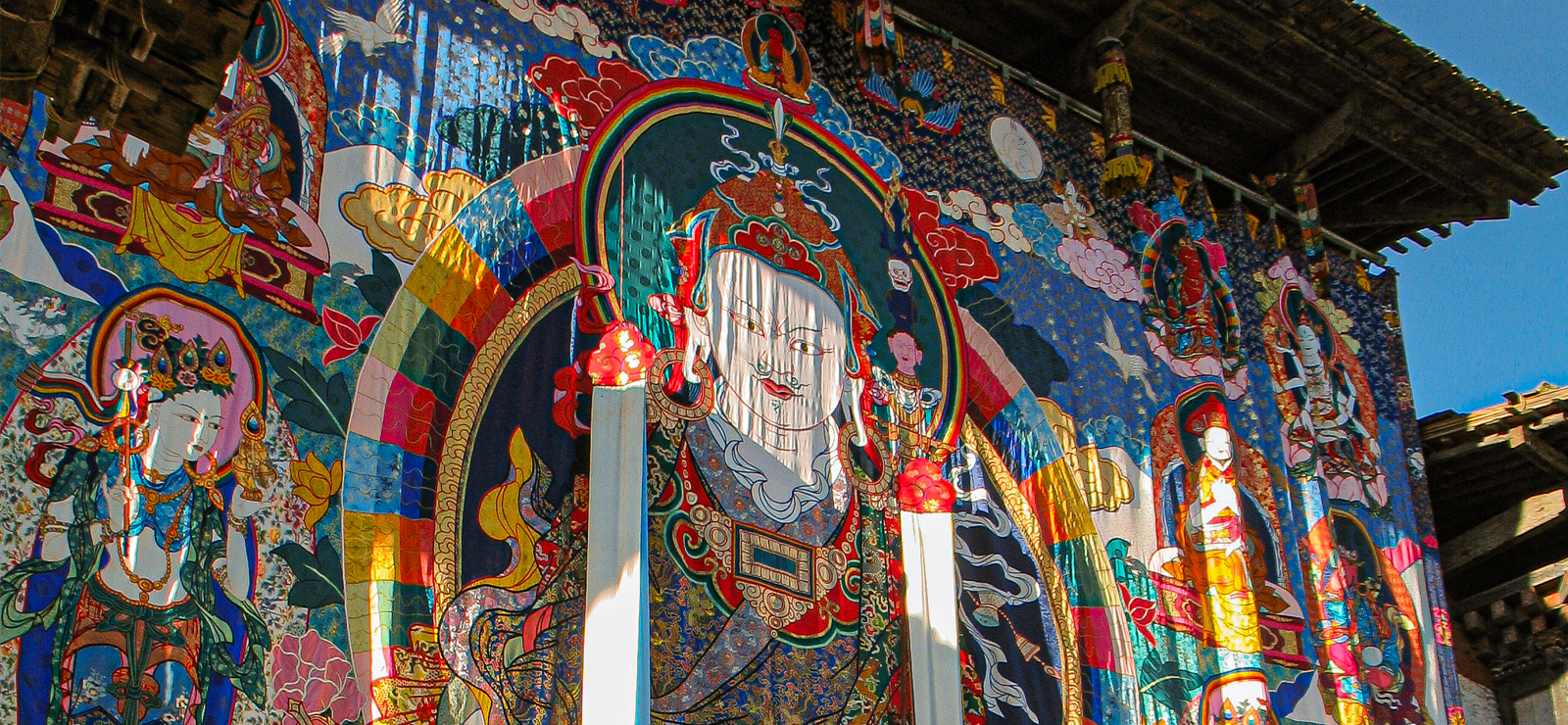
isit the festival early in the morning again to see the excitement of the thongdrel ceremony, where a large religious painting made of cloth is unfurled on the side of Rinpung Dzong, an event that only takes place on the last day of the annual festival.

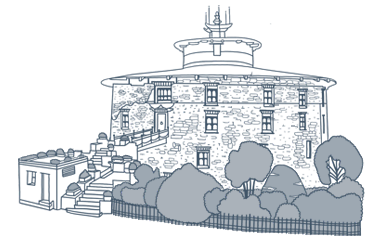
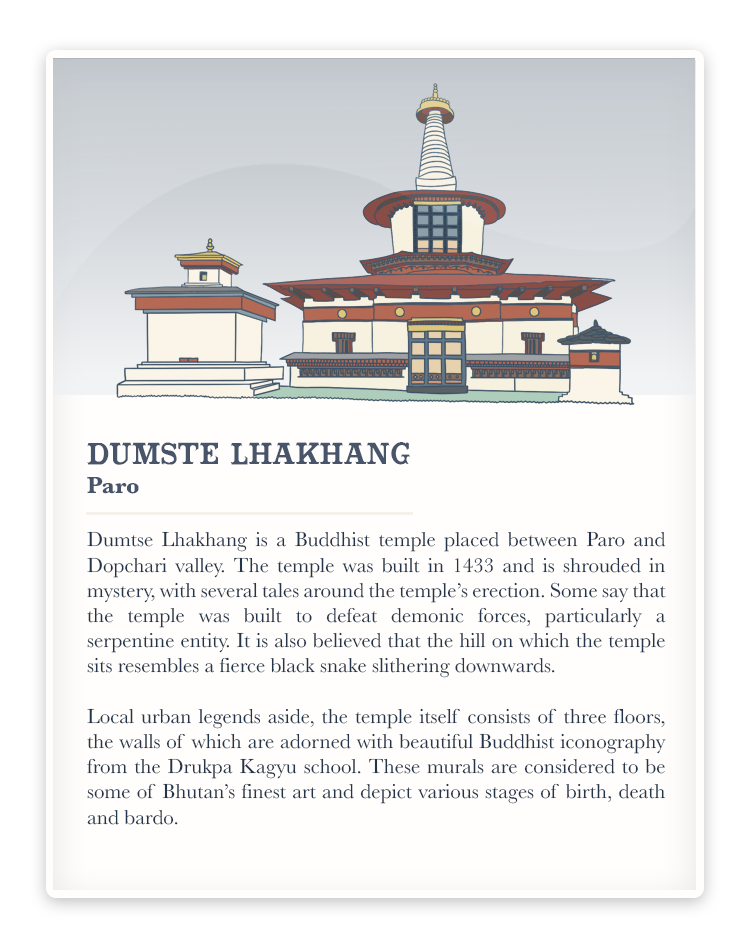
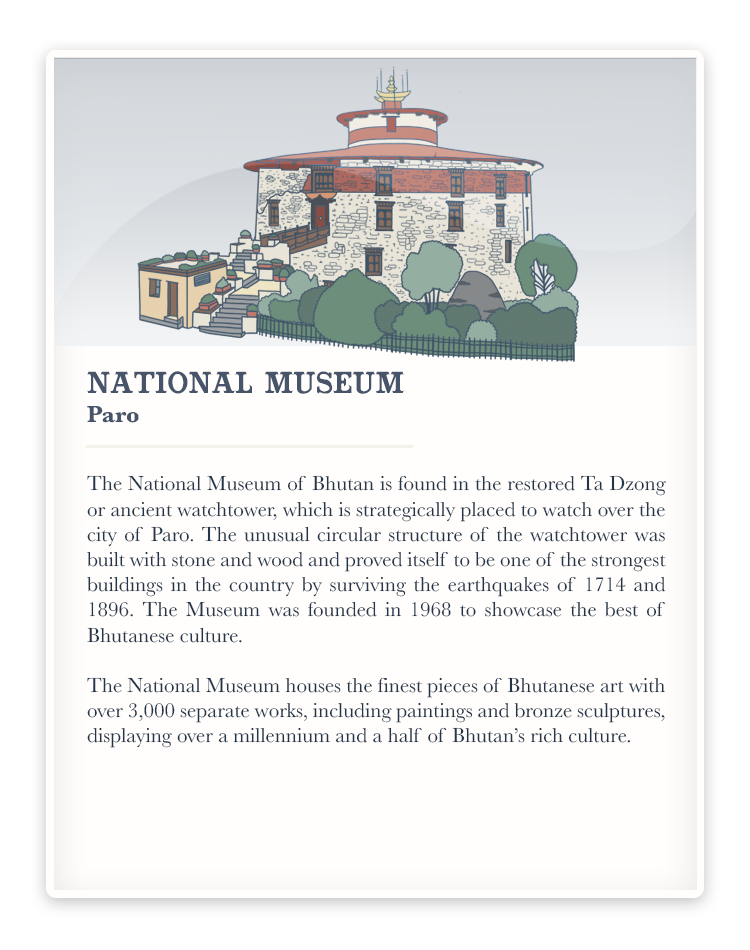
Later you can visit Dumtse Lhakhang and then visit Ta Dzong (‘the watch tower’) now housing the The National Museum. Built on top of the hill above Rinpung Dzong, it was originally used to defend Rinpung Dzong and the Paro Valley during times of war. Its unusual circular construction resembles a conch shell and it now contains a magnificent collection of Bhutanese artefacts - costumes, religious paintings, arms, textiles and a fascinating collection of Bhutan stamps. Nearby we will also visit the 7th century Kyichu Lhakhang, a temple of historical significance and one of the most sacred shrines in Bhutan.


Thongdrel Ceremony, Photo Credit - © CD
Overnight in Paro
Logo
Paro

TAKTSHANG
MONASTERY

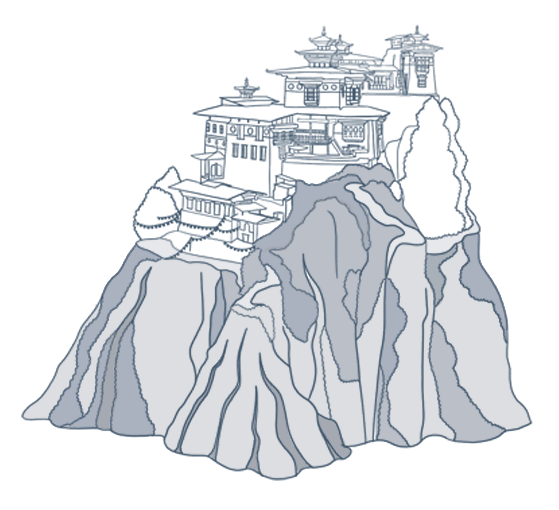
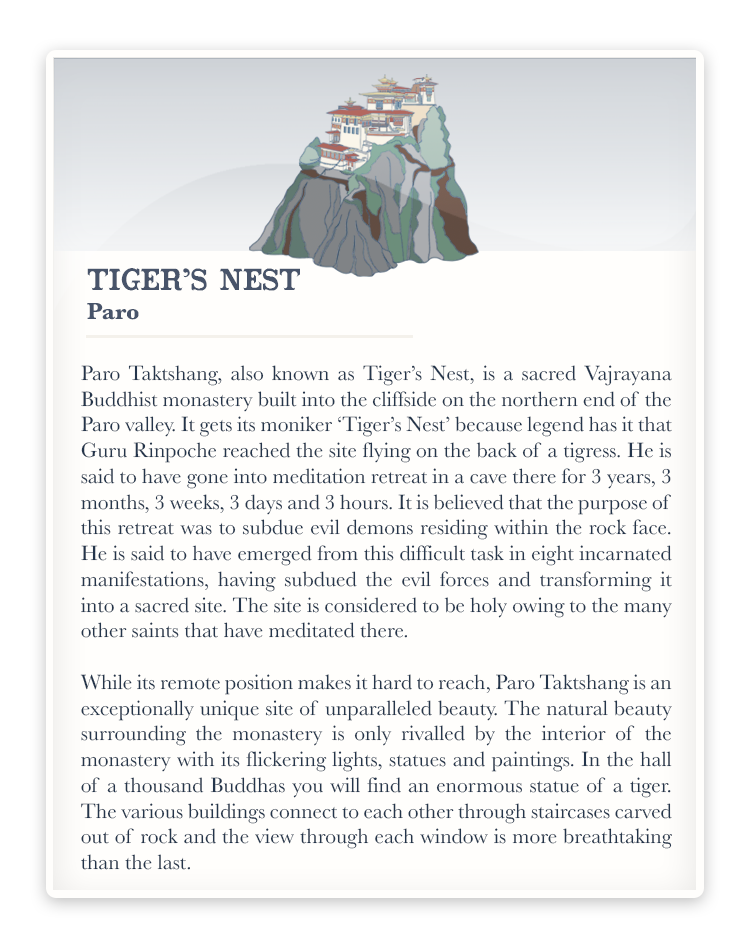
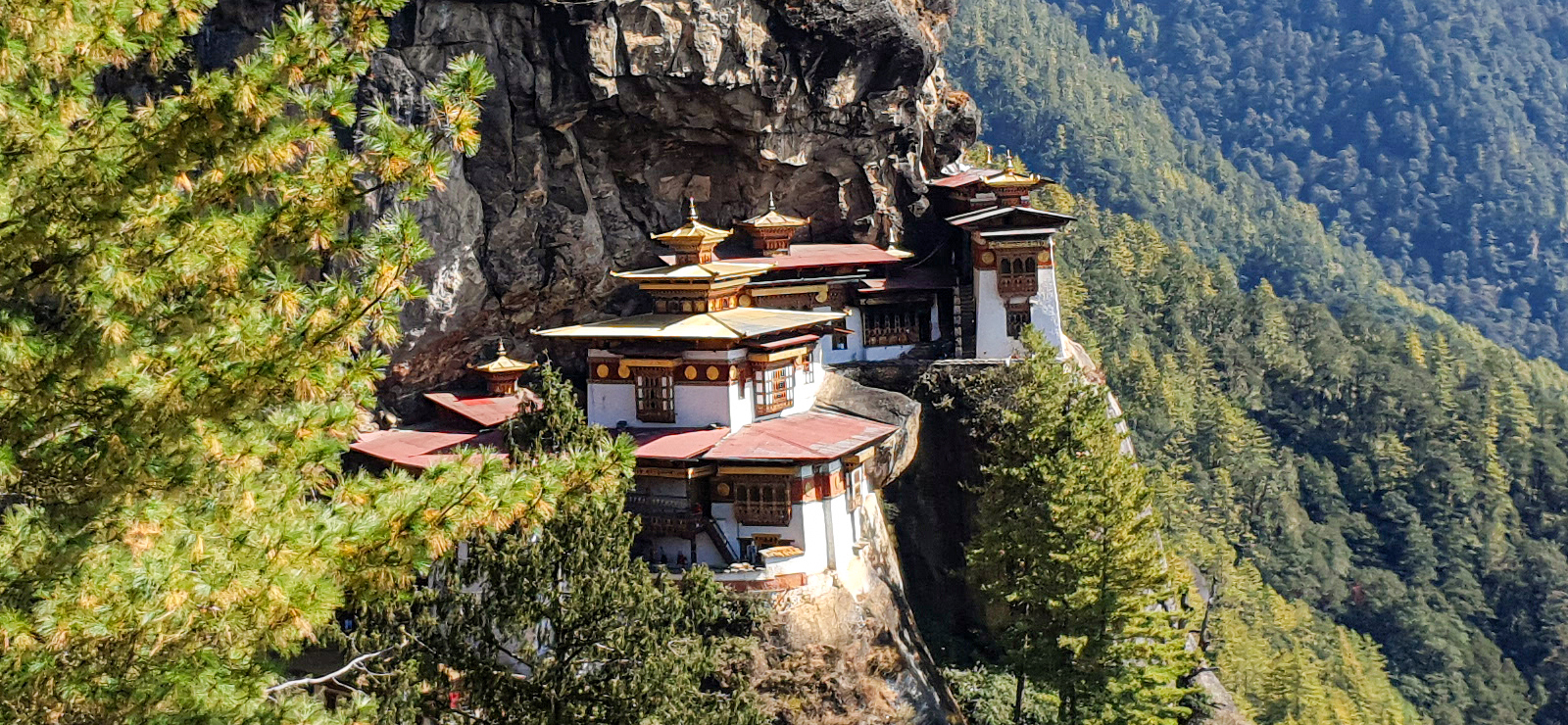
ake a day walk to the ‘Tiger’s Nest’, the sacred Taktshang Monastery which clings to the rock face 900 metres above the valley floor.

You can have lunch at the Taktshang cafeteria from where you get a spectacular view of the monastery.


Paro Taktshang Monastery, Photo Credit - © DoT Bhutan
Overnight in Paro
Logo
Departure
arly in the morning, your guide will accompany you to the airport to see you off onto your flight and wish you Tashi Delek (goodbye and good luck).
Customise your trip

Physical

Spiritual

Cultural

  • Bullet Image

    Day hikes

  • Bullet Image

    Rafting

  • Bullet Image

    Mountain biking

  • Bullet Image

    Playing archery

  • Bullet Image

    Trekking
    (with overnight in camp)

  • Bullet Image

    Attend a ceremony or blessing

  • Bullet Image

    Meet some monks

  • Bullet Image

    Visit a nunnery

  • Bullet Image

    Visit a pranic healing centre or take meditation classes

  • Bullet Image

    Meet a Lama (head monk) and listen to a talk on meditation, Buddhism or the Bhutanese philosophy on Gross National Happiness

  • Bullet Image

    Attend a cookery class

  • Bullet Image

    Visit a local farmhouse

  • Bullet Image

    Visit the weekly market

  • Bullet Image

    Watch an archery match

  • Bullet Image

    Try a traditional hot stone bath

  • Bullet Image

    Try your hand at traditional games such as khuru, degor and carom

Those activities marked with an asterisk attract an additional supplement - please ask for details


PRICING

The rules for visiting Bhutan changed dramatically in June 2022 and the old system that had applied since tourism first started in the 1970s was withdrawn. Under the new system visitors to Bhutan have to pay a sustainable development fee (SDF) of US$100 per person per night to the Bhutan government in order to be issued a visa. The SDF is intended to be used to promote carbon-neutral tourism, to support the building of a more sustainable tourism sector and to support the education and health of local citizens.

The price for the tour will be paid on top of the SDF and covers the cost of all the services Blue Poppy will provide for you including guide, driver, transport, standard (3 star) accommodation, food, sightseeing and festival visits. Additional supplements are payable for treks and some other activities and for accommodation upgrades. Our pricing is based on a “daily rate” which varies depending on how many in the group. Please contact us for a personalised quote.

You might also like ...

We would love to help you plan your dream trip to Bhutan.

If you have any questions or would like to discuss a trip please get in touch.
Contact Us Illustration